
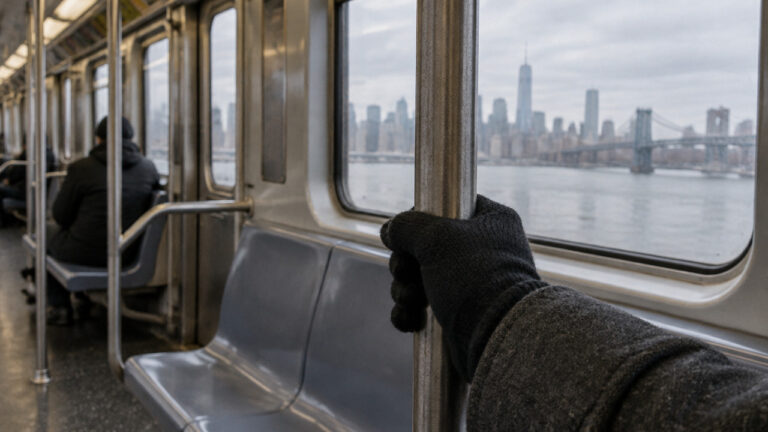
How Far is Brooklyn From Manhattan? a Short Subway Ride
Brooklyn sits right across the East River, so how far Brooklyn is from Manhattan comes down to transit time far

New York City law mandates a strict 30-day minimum stay for short term apartment rentals, making one month the baseline for legal furnished housing. This regulation, codified in Multiple Dwelling Law §4(8), protects permanent housing stock while ensuring visitors can still access temporary accommodations. Understanding this threshold and the exceptions that exist in 2026 determines whether you’re booking legally and what protections you’re entitled to during your Brooklyn or Manhattan stay.
Multiple Dwelling Law §4(8) establishes the core legal framework for temporary housing across all five boroughs. This statute defines “transient occupancy” as any rental period under 30 consecutive days, classifying such arrangements as illegal in residential buildings classified as Class A multiple dwellings. The law means that what to expect when renting legally is fundamentally different from booking a hotel room.
For hosts and property managers, violations carry steep consequences. Building owners face fines ranging from $1,000 for a first offense up to $7,500 for repeat violations. In severe cases, the city can pursue criminal misdemeanor charges. Guests face different risks while rarely fined directly, they can be evicted mid-stay without notice if authorities shut down an illegal rental operation.
The Mayor’s Office of Special Enforcement seized illegal short-term rental listings at nearly triple the rate in 2025 compared to 2023, reflecting intensified enforcement across Brooklyn and Manhattan neighborhoods.
This regulatory framework exists to protect New York’s permanent housing stock. With vacancy rates hovering near historic lows, the city estimates that thousands of units had been converted to de facto hotel rooms before enforcement tightened. Each illegal short-term listing removes a potential home from the long-term rental market, exacerbating affordability pressures on residents.
| Rental Duration | Legal Classification | Host Penalties | Guest Risks |
|---|---|---|---|
| 1-29 days | Illegal transient occupancy (Class A buildings) | $1,000-$7,500 fines, possible criminal charges | Eviction without notice, booking cancellation |
| 30+ days | Legal residential tenancy | Standard rental regulations apply | Tenant rights activated |
| Any duration (licensed hotel) | Legal transient occupancy | Hotel licensing requirements | Standard hotel guest protections |
What is the minimum stay for a short term apartment rental in New York? The direct answer is 30 consecutive days the legal baseline established by state law and enforced by city agencies. However, building-specific policies often extend this requirement to 60 or even 90 days, particularly in co-op buildings and managed properties with strict board approval processes.
It’s worth noting that hotels, licensed guesthouses, and certain serviced apartment operations maintain different regulatory frameworks. These properties can legally offer nightly stays because they operate under hotel licensing rather than residential rental law. For travelers exploring renting an apartment for a month, understanding these distinctions prevents accidental bookings of illegal listings.
New York’s housing shortage drives the enforcement rationale behind the 30-day rule. With a rental vacancy rate below 2% and tens of thousands of residents competing for affordable units, policymakers view short-term rental regulation as essential housing preservation. The pros and cons of short-term rentals ultimately center on this tension between visitor convenience and resident access.
The legal distinction between transient occupancy and residential tenancy matters tremendously. Under 30 days, a guest has no tenant rights they can be asked to leave immediately. Cross that threshold, and New York’s robust tenant protection laws activate, requiring formal eviction proceedings for removal. This creates genuine security for extended-stay visitors.
According to the NYC Department of Housing Preservation and Development, neighborhoods with the highest concentration of illegal short-term rentals saw long-term rental prices increase 18% faster than citywide averages between 2019 and 2024.
Tenant rights that activate after 30 days include protection against unlawful eviction, the right to a habitable living environment, and recourse through housing courts. For guests staying in furnished apartments, these protections transform a transactional booking into a genuine tenancy with legal standing.
While state law sets the 30-day baseline, building-level policies create significant variation across neighborhoods. Central Brooklyn areas like Williamsburg, DUMBO, and Brooklyn Heights host many buildings where co-op boards or condo associations impose stricter minimums often 60 to 90 days to screen temporary residents more thoroughly.
Manhattan presents similar variation. Luxury buildings in Tribeca or the Upper East Side frequently require 90-day minimums, while some Midtown properties catering to corporate transfers operate closer to the legal floor. When browsing best furnished apartments in New York, travelers should expect neighborhood-specific requirements.
The key difference lies in building governance. Rental buildings typically follow the 30-day legal minimum, while co-ops and condos add board approval layers. Brooklyn’s rapid development has produced many newer condo buildings with strict association rules, whereas Manhattan’s older co-ops often require even lengthier stays and extensive tenant vetting.
| Building Type | Brooklyn Typical Minimum | Manhattan Typical Minimum | Approval Process |
|---|---|---|---|
| Rental building | 30 days | 30 days | Property manager screening |
| Condo building | 60-90 days | 60-90 days | Board application required |
| Co-op building | 90 days minimum | 90-180 days | Full board approval with interview |
| Serviced apartments | 30 days | 30 days | Commercial booking process |
Not all temporary housing falls under the 30-day residential requirement. Several categories operate under different regulatory frameworks, offering legitimate shorter stays for travelers with specific needs. Understanding these exceptions helps visitors identify fully furnished rental options that match their circumstances.
Licensed hotels and properly permitted guesthouses maintain transient occupancy licenses allowing nightly rentals. Serviced apartments those operating under hotel licensing rather than residential leases similarly offer flexibility below the 30-day threshold. Corporate housing arranged through employers often involves different contractual frameworks, particularly when companies maintain master leases with property owners.
Owner-occupied arrangements represent a unique category. When a host rents a room or portion of their primary residence while remaining on-site, the legal classification shifts. These “homesharing” situations face fewer restrictions, though New York still requires the host’s permanent presence and limits the rental to certain building types.
Calculating your minimum stay requires counting calendar days precisely not simply assuming “one month” suffices. A booking from January 1 to January 30 equals 29 nights, falling short of the 30-day requirement. For visitors finding the best short-term rental, this distinction matters enormously for legal compliance.
Building-specific application processing adds another wrinkle. Many properties require 5-10 business days for background checks and lease preparation. Your actual stay dates should account for this administrative lead time, particularly in co-op or condo buildings requiring board approval.
Partial month bookings create particular confusion. A guest wishing to stay from February 1 to February 28 hasn’t met the 30-day threshold despite booking the “full month.” February’s 28 days fall short March 3 would be the earliest legal departure date. Always count the actual calendar days, not month names.
Illegal short-term rental listings still circulate on various platforms, often disguised with vague language or misleading descriptions. Learning how to protect yourself when renting prevents discovering mid-stay that your booking violates local law.
Several red flags indicate potentially illegal arrangements. Listings that mention “flexible check-in” without specifying a 30-day minimum, hosts who discourage written agreements, or prices dramatically below market rates for “short stays” all warrant scrutiny. Properties refusing to provide building management contact information may be operating without owner authorization.
Consumer protection resources exist for reporting suspicious listings. The NYC Mayor’s Office of Special Enforcement maintains a complaint portal for illegal short-term rentals. If you’ve booked arrangements that may violate the law, documentation from your booking confirmation can support reports and potential refund claims.
New York’s 30-day minimum creates both obligations and protections for temporary residents. Understanding this framework ensures visitors find legitimate housing while gaining tenant rights that hotels cannot provide. The Best Furnished’s selection of family-friendly rental options all meet the legal threshold, offering secure accommodations in Brooklyn’s most desirable neighborhoods.
Enforcement has intensified considerably. What might have slipped through in previous years now faces genuine scrutiny platforms must report host information to city authorities, and neighbors increasingly report suspicious transient activity. Booking compliant stays protects your travel investment while contributing to sustainable housing policy.
No. Apartment rentals in Class A residential buildings cannot legally be offered for stays under 30 consecutive days. Hotels and licensed properties can offer shorter stays but these operate under hotel regulations, not residential rental law. Attempting sub-30-day apartment bookings exposes you to eviction risk and booking cancellation.
It depends on your lease terms. Most furnished apartment agreements include early departure penalties or require 30 days’ notice even for month-to-month arrangements. Review your specific lease cancellation clauses some properties offer partial refunds while others maintain the full stay charge regardless of early departure.
Yes. State law applies equally across all five boroughs. However, building-specific policies in Brooklyn co-ops and condos may impose longer minimums. The 30-day legal threshold represents the floor not the ceiling of what any New York property can require for residential rental bookings.
Yes. A 30-day stay meets the legal minimum requirement. For families, this duration works well for extended vacations, school breaks, or temporary work assignments. The Best Furnished offers last-minute rental availability for families needing flexible timing within the legal framework.
Yes. Shorter stays within the legal range typically command higher nightly rates than three-month or six-month agreements. Properties price 30-day stays similar to hotel alternatives while offering substantial discounts for 90+ day commitments. Expect furnished apartment lease terms in Brooklyn to reflect this pricing structure.
Yes. Proper lease documentation protects both you and the property owner. A written agreement specifying dates, rates, and tenant rights creates legal proof of your authorized tenancy. Never accept informal arrangements verbal agreements provide no recourse if disputes arise during your stay.
No. Even corporate-sponsored stays must meet the 30-day minimum for apartment rentals. However, companies often maintain master lease agreements with properties, allowing employees to rotate through extended-stay units. These arrangements involve different contractual structures but still respect the underlying duration requirements.
Brooklyn sits right across the East River, so how far Brooklyn is from Manhattan comes down to transit time far

How far is Brooklyn from Manhattan by subway? Not far at all: many NYC subway lines make the East River

A short-term rental is a furnished apartment you book for a limited stay, with everything from first inquiry to check-in

Corporate apartment rentals give you a furnished, move-in-ready home on flexible terms, and for stays longer than a few nights

Please wait while you are redirected to the right page...