

Minimum Stay for Short Term Apartment Rentals in New York
New York City law mandates a strict 30-day minimum stay for short term apartment rentals, making one month the baseline
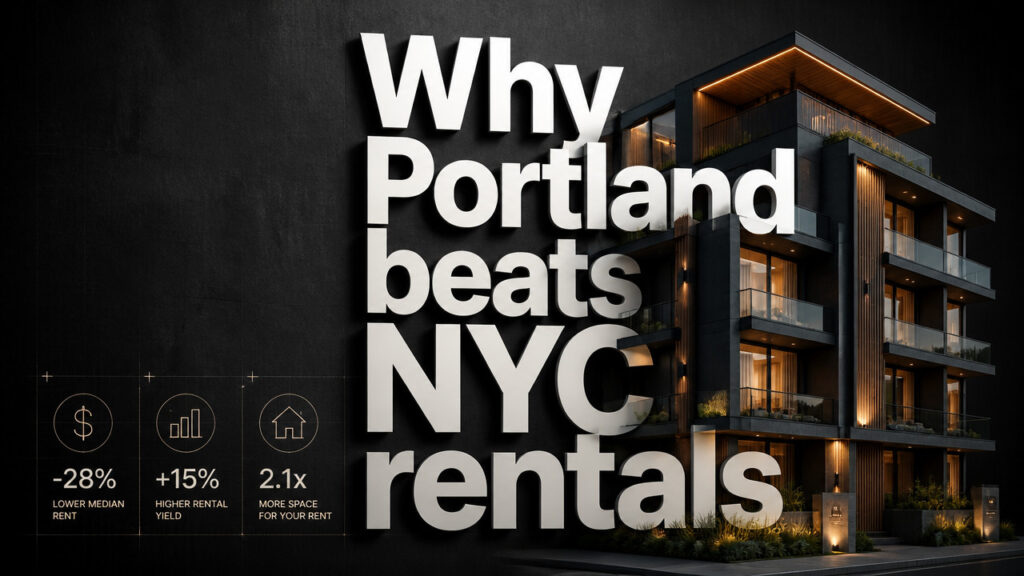
Choosing between Portland and NYC short term rentals comes down to what you value most: Portland offers lower costs and outdoor lifestyle appeal, while NYC delivers unmatched walkability and cultural density. The average furnished apartment in Portland runs $2,800-$4,200 monthly compared to NYC’s $4,500-$8,000, but each market serves distinctly different traveler needs. Understanding these differences helps you select the right temporary home for your lifestyle and budget.
When travelers start researching Portland short term rentals versus New York City options, the sticker shock difference hits immediately. But raw prices only tell part of the story. What really matters is understanding what you get for your money and how each city’s rental landscape fits your specific situation.
Portland’s furnished apartments market caters heavily to extended-stay business travelers, digital nomads, and remote workers seeking a slower pace without sacrificing urban amenities. NYC’s market serves a broader spectrum from week-long tourists to corporate executives on three-month assignments.
| Metric | Portland (PDX) | New York City (NYC) |
|---|---|---|
| Average Monthly Rate | $2,800 – $4,200 | $4,500 – $8,000 |
| Typical Minimum Stay | 30 days | 30 days (varies by building) |
| Walkability Score | 63 (Somewhat Walkable) | 89 (Very Walkable) |
| Primary Transit Options | MAX Light Rail, Bus, Car | Subway, Bus, Ferry, Walk |
| Parking Necessity | Recommended | Unnecessary in most areas |
The transportation gap between these cities fundamentally changes how you experience daily life. NYC’s subway runs 24/7 and reaches virtually every corner of the boroughs. Portland’s MAX Light Rail covers ground efficiently but stops running around midnight, meaning late nights require planning or ride-shares.
For travelers prioritizing walkability and cultural immersion, NYC delivers an experience where a car never enters the equation. Portland rewards those who want reliable transit plus the freedom to escape to nature on weekends. According to short-term rental trends for 2026, both markets continue to see strong demand from out-of-state visitors seeking furnished, turnkey accommodations.
A $5,000 monthly budget paints two very different pictures depending on your chosen city. This price point sits at the upper tier of Portland’s furnished apartments market while landing solidly mid-range for NYC short-term options.
You’re looking at a spacious one-bedroom or comfortable two-bedroom furnished apartment in prime neighborhoods like the Pearl District, Alphabet District, or close-in Southeast Portland. Expect high-end finishes, in-unit washer and dryer, dedicated parking space, and often a balcony or outdoor area. Square footage typically runs 750-950 square feet.
This budget secures a well-furnished studio or smaller one-bedroom in desirable Brooklyn neighborhoods like Cobble Hill, Carroll Gardens, or parts of Williamsburg. Manhattan options exist but typically in northern neighborhoods or smaller footprints. Expect 400-600 square feet, building amenities like laundry rooms, and proximity to multiple subway lines.
The value calculation extends beyond square footage. Portland grants breathing room, easier parking logistics, and often newer building stock. NYC trades physical space for proximity to world-class restaurants, entertainment, and an energy that simply doesn’t exist elsewhere. According to fully furnished NYC apartments, many travelers find the location premium worth every dollar.
Comparing Brooklyn’s brownstone neighborhoods to Portland’s Pearl District reveals fundamentally different urban experiences. Both offer excellent short term housing options, but the daily rhythms feel worlds apart.
Brooklyn’s established neighborhoods like Cobble Hill, Brooklyn Heights, and Park Slope deliver tree-lined streets, independent bookstores, and sidewalk cafes that feel almost European. The cultural density means you’re never more than a few blocks from exceptional dining, live music, or specialty shops. Brownstone rentals offer architectural character that newer construction simply cannot replicate.
The Pearl District presents a different proposition entirely. Once an industrial zone, this transformed neighborhood now showcases converted warehouses turned into stylish lofts, brewpubs, and art galleries. The streets feel wider, crowds feel thinner, and the pace runs noticeably slower than Brooklyn’s sidewalk bustle.
Weekday mornings in Brooklyn mean joining the river of commuters flowing toward subway entrances. Portland mornings unfold more gently, with coffee shop lines moving at a deliberate pace. Neither experience proves superior, they simply serve different personality types and travel purposes.
For insights on what awaits in New York’s diverse neighborhoods, what to expect in NYC short-term rentals breaks down Brooklyn’s distinct areas and their unique character.
Transportation costs and logistics dramatically shift the real-world budget comparison between these cities. NYC’s extensive transit network creates genuine car-free freedom that Portland cannot fully match.
A monthly NYC MetroCard costs around $127, granting unlimited subway and local bus access. This single purchase handles virtually every trip within city limits. Late-night subway service runs less frequently but remains available 24/7, a critical factor for business travelers with unpredictable schedules.
Portland’s monthly TriMet pass runs approximately $100 and covers MAX Light Rail, buses, and the streetcar line. The system works well for commuting and daytime exploration, but service reductions after midnight change the calculus for evening entertainment or late work nights.
| Transportation Cost | Portland (Monthly) | NYC (Monthly) |
|---|---|---|
| Transit Pass | $100 | $127 |
| Parking (if needed) | $0-150 (often included) | $300-600 |
| Ride-share Budget | $80-150 | $100-200 |
| Car Rental (occasional) | $150-250 | $200-350 |
| Total Transport Budget | $180-500 | $227-1,277 |
The wildcard remains car usage. Portland visitors often rent vehicles for weekend trips to Columbia River Gorge, Oregon Coast, or Mount Hood. NYC visitors almost never need cars, but when they do, parking fees stack quickly.
Business travelers should factor in airport access costs. Portland’s MAX Red Line connects PDX Airport to downtown in about 40 minutes for standard fare. NYC’s complexity offers multiple options, with Manhattan furnished rentals locations varying significantly in airport commute times.
Your travel purpose should drive the city selection more than any budget consideration. Each market excels for specific traveler profiles and falls short for others.
NYC wins for finance, media, and industries concentrated in Manhattan. Meeting accessibility matters enormously here. Portland suits tech workers, creative professionals, and those visiting Nike, Columbia Sportswear, or other Portland-based headquarters.
Portland’s lower costs, excellent coffee culture, and outdoor access make it compelling for extended stays. The time difference from East Coast colleagues proves manageable, and the lifestyle rewards are significant.
Portland offers more space per dollar, easier logistics with children, and proximity to family-friendly outdoor activities. NYC delivers educational experiences, museum access, and cultural exposure that can justify the premium for certain families.
First-time NYC visitors almost always find the premium worthwhile. The concentration of landmarks, shows, and experiences cannot be replicated. Portland suits repeat visitors to the Pacific Northwest, food tourism, or those combining urban time with nature exploration.
Furnished apartments in both markets maintain high standards, but expectations differ slightly. Understanding these variations prevents disappointment and helps you ask the right questions before booking.
NYC’s competitive market pushes furnishing quality upward. Expect name-brand mattresses, proper sofa beds, and real dining furniture. Portland delivers similar quality but occasionally features trendy mid-century reproductions rather than premium brands.
Both markets understand that extended-stay guests actually cook. Full cookware sets, quality knives, and adequate dishware come standard. Portland kitchens often include more specialty items like stand mixers or food processors, reflecting the city’s food culture. NYC kitchens sometimes sacrifice storage space for location.
Remote work changed this category permanently. Both markets now prioritize proper desk setups, ergonomic chairs, and reliable high-speed internet. NYC’s smaller square footage sometimes forces workspace into bedroom areas. Portland’s larger footprints frequently offer dedicated office nooks.
The key lies in matching your actual needs against standard offerings. If daily cooking matters to your routine, Portland’s kitchen spaces typically feel more comfortable. If workspace calls for video conferencing backdrops, NYC’s design-forward rentals often photograph better.
For guidance on evaluating specific listings, finding the best short-term rental offers detailed checklists for amenity verification.
Rental regulations shape booking flexibility differently in each city. Understanding these constraints prevents unwelcome surprises when plans shift.
Both Portland and NYC operate under short-term rental regulations that effectively mandate 30-day minimum stays in most legitimate furnished apartments. This shared constraint comes from local housing regulations designed to protect long-term rental inventory.
Corporate housing providers in both cities sometimes offer 14-day minimums under specific arrangements, but these prove rarer and typically cost more per day. Standard furnished apartment bookings should assume a one-month minimum.
Flexibility varies by provider. NYC’s competitive market sometimes offers more lenient terms, but this cuts both ways. Portland hosts may hold firmer policies given lower overall inventory. Always read specific cancellation terms before committing.
Seasonal availability differs meaningfully between markets. NYC peaks during September through November and again May through June. Portland’s outdoor lifestyle draws crowds June through September. Booking two months ahead secures best selection in either market.
Last-minute deals exist in both cities, but inventory runs thin. last-minute rental deals occasionally surface, though premium locations require advance planning.
The choice between Portland and NYC short term rentals ultimately reflects your priorities more than any objective measure. Both cities deliver excellent furnished apartment options for travelers willing to understand each market’s rhythm.
Neither city proves universally better. They serve different traveler needs at different price points. If you’re still weighing options for New York specifically, pros and cons of NYC short-term rentals provides deeper analysis for that market.
When you know what experience you’re seeking, the right choice becomes clear. Trust your priorities, understand the trade-offs, and book accordingly.
Yes. Expect Portland furnished apartments to run 40-60% less than comparable NYC options. A $3,500 Portland unit would likely cost $5,500-6,000 in Brooklyn or Manhattan. The gap narrow slightly at luxury tiers but remains substantial across all market segments.
Partially. Portland’s downtown and inner neighborhoods support car-free living for basic needs, matching NYC’s convenience for groceries, dining, and errands. Weekend escapes require rental cars, whereas NYC visitors rarely need vehicles. MAX Light Rail covers major destinations but offers less coverage than NYC’s subway.
Depends on your meeting locations. NYC delivers if your business sits in Manhattan or central Brooklyn. Portland wins for West Coast meetings, creative industry work, or when budget constraints matter. Factor in whether face-to-face networking in NYC justifies the premium for your specific situation.
No meaningful difference. Both cities operate under 30-day minimum stay regulations for most furnished short term rentals. Exceptions exist through corporate housing providers, but standard bookings assume one-month minimums in both Portland and NYC.
Portland offers better space-to-cost ratios. Families receive larger furnished apartments, easier parking logistics, and proximity to outdoor activities. NYC makes sense for families prioritizing museums, cultural exposure, and educational experiences. explore our NYC rental collection to compare specific family-friendly options in Brooklyn.
New York City law mandates a strict 30-day minimum stay for short term apartment rentals, making one month the baseline
Finding the right short term rental for your family in New York means balancing space, location, and comfort three things

For most visitors to New York City, furnished apartments deliver superior value, space, and authentic neighborhood experiences compared to hotels
Absolutely tourists can rent fully furnished apartments in New York City for just one week, and it’s become the preferred

Please wait while you are redirected to the right page...