

Minimum Stay for Short Term Apartment Rentals in New York
New York City law mandates a strict 30-day minimum stay for short term apartment rentals, making one month the baseline
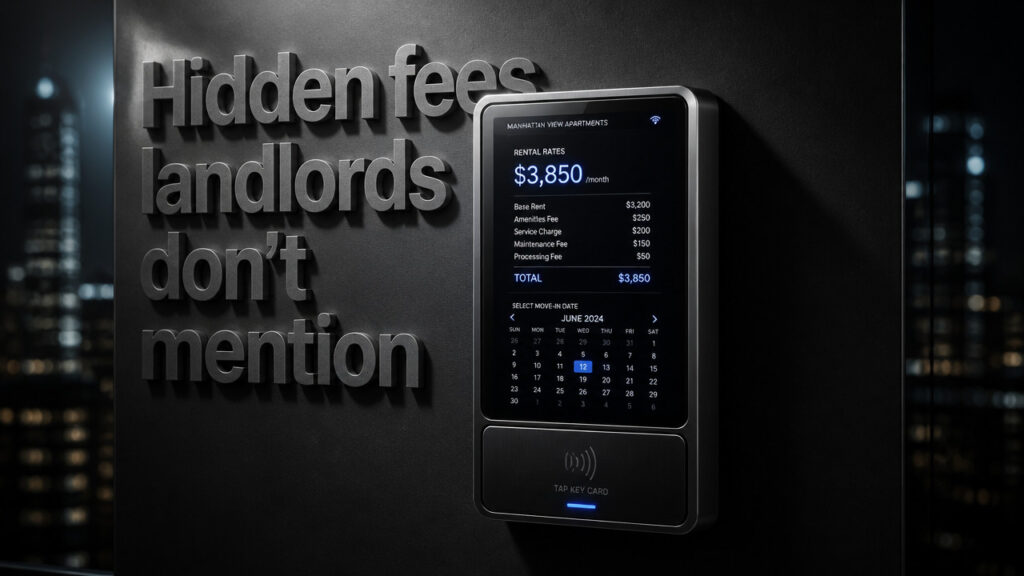
Choosing between short-term rental options in Manhattan requires understanding the real differences in pricing structures, lease flexibility, neighborhood coverage, and what’s actually included in your rent. With rental models ranging from traditional corporate housing to locally-hosted furnished apartments, the gap in monthly costs can exceed $2,000, and hidden fees often add 15-30% to your final bill. This guide breaks down exactly what you’re paying for and which option delivers the most value for your specific Manhattan stay in 2026.
Short-term rentals Manhattan visitors can choose from typically fall into three distinct categories, each with different pricing structures and target audiences. Traditional corporate housing appeals to business travelers with expense accounts, while locally-hosted furnished apartments offer better value for independent renters. Hotels and extended-stay properties remain an option, though costs escalate quickly for stays longer than two weeks.
The short-term rental landscape in 2025 shifted toward more flexible, host-managed properties that bridge the gap between impersonal corporate suites and restrictive hotel stays. These locally-operated rentals often provide personalized service, neighborhood expertise, and transparent pricing that larger providers struggle to match.
| Feature | Corporate Housing | Local Furnished Rentals | Extended Stay Hotels |
|---|---|---|---|
| Monthly Cost ( avg) | $8,000 – $12,000 | $5,500 – $8,500 | $9,000 – $15,000 |
| Minimum Stay | 30-90 days | 7-30 days | 1 day |
| Utilities Included | Yes (markup applied) | Yes (standard) | Varies |
| Neighborhood Access | Limited to select buildings | Wide neighborhood coverage | Commercial zones only |
| Flexibility Rating | Low | High | Medium |
| Hidden Fees | 15-25% service charges | 5-10% cleaning/admin | 20-35% taxes and fees |
Flex-lease advantages have become the deciding factor for most renters in 2026. The ability to extend a stay week-by-week or depart early without severe penalties provides peace of mind that rigid corporate contracts simply cannot offer. This flexibility becomes especially valuable when project timelines shift, family visits extend unexpectedly, or you discover you want to explore a different neighborhood.
The sticker price you see advertised rarely reflects your actual monthly cost. Understanding how different providers structure their pricing helps you compare monthly apartment rentals in New York accurately and avoid budget surprises midway through your stay.
Base rent varies dramatically across rental categories, but the real story lies in what gets added on top. Corporate housing providers often bundle services at markup rates of 20-40% above market utility costs. Extended stay hotels hit guests with daily resort fees, parking charges, and premium-rate Wi-Fi that can add $500-800 monthly. Locally-hosted furnished apartments tend to offer the most transparent pricing, with utilities and amenities included in a single monthly figure.
| Cost Component | Corporate Housing | Local Furnished | Extended Stay Hotel |
|---|---|---|---|
| Base Rent | $6,500 | $5,200 | $7,800 |
| Utilities (electric, gas, water) | Included ($400 markup) | Included (at cost) | $25/day = $750/mo |
| Internet/Cable | Included ($150 markup) | Included | $15/day = $450/mo |
| Cleaning Fees | $350 departure fee | $200 one-time | $50/day = $1,500/mo |
| Admin/Service Fees | $900-$1,200 | $300-$500 | Taxes 14.75% + fees |
| Monthly Total | $8,300 – $10,500 | $5,700 – $5,900 | $11,000+ |
Hidden fees deserve special attention before you sign anything. Some providers charge “property management fees” that add another 8-15% to your bill. Others hit you with electricity surcharges during summer months when air conditioning drives usage up. Always request a written breakdown of all monthly costs, including any variable charges based on consumption.
Minimum stay requirements can lock you into paying for time you don’t need or force you into a longer commitment than your plans require. The pros and cons of short-term rentals often hinge on these contractual details that only become obvious after you’ve committed.
Corporate housing typically enforces 30-day minimums, with many providers pushing toward 90-day terms to reduce turnover costs. Extended stay hotels offer daily flexibility but penalize shorter stays with higher nightly rates. The sweet spot for most temporary visitors lies with locally-hosted furnished rentals that offer 7-14 day minimums with week-by-week extension options.
Cost penalties for early departure vary significantly across rental types. Corporate housing contracts often require payment in full regardless of when you leave, while flexible local hosts may refund unused nights at a reduced rate. This difference alone can represent thousands of dollars if your plans change unexpectedly.
Where you stay matters as much as what you pay. Manhattan-focused providers concentrate inventory in Midtown and the Financial District, while Brooklyn-based alternatives offer access to vibrant neighborhoods like Williamsburg, DUMBO, and Brooklyn Heights with easy Manhattan access via subway.
Renters who choose Brooklyn-based furnished apartments often save $1,500-$2,500 monthly compared to equivalent Manhattan units while gaining access to larger living spaces, according to 2026 market analysis from local rental platforms.
The best furnished apartments in NY balance location value against total cost. A stay in Brooklyn Heights positions you 15 minutes from Lower Manhattan by subway while offering neighborhood charm, local cafes, and genuine residential atmosphere that tourist-heavy Manhattan districts lack.
| Area | Avg Monthly Cost | Subway to Midtown | Neighborhood Feel |
|---|---|---|---|
| Midtown Manhattan | $8,500 – $12,000 | Walking distance | Commercial/Tourist |
| Upper West Side | $7,000 – $10,000 | 15-20 min | Residential/Family |
| Lower East Side | $6,500 – $9,000 | 10-15 min | Trendy/Nightlife |
| Brooklyn Heights | $5,500 – $7,500 | 20-25 min | Historic/Quiet |
| Williamsburg | $5,000 – $7,000 | 15-20 min | Arts/Dining Scene |
Transit time advantages favor certain Brooklyn neighborhoods over outer Manhattan locations. Williamsburg to Union Square takes 12 minutes on the L train, faster than many trips from Upper Manhattan. Don’t assume Manhattan address equals Manhattan convenience evaluate actual commuting time to your daily destinations.
The difference between a “fully furnished” apartment and one that’s truly move-in ready comes down to details that only become apparent after you’ve unpacked. Understanding what to expect when renting prevents frustrating gaps between expectation and reality.
Standard inclusions should cover everything you need for daily living without requiring trips to purchase basics like kitchen utensils, linens, or bathroom necessities. Quality providers outfit apartments with restaurant-grade cookware, high-thread-count bedding, workspace-appropriate furniture, and reliable high-speed internet capable of handling video calls without interruption.
Common exclusions that catch renters off guard include electricity caps that trigger surcharges, laundry facilities that require coin operation or third-party apps, and parking that costs extra even when listed as “available.” Ask specifically about utility caps, laundry access, and whether any amenities require additional payment or separate accounts.
Thebestfurnished.com packages include all utilities with no caps, in-unit laundry where available, high-speed Wi-Fi, and fully equipped kitchens no hidden add-ons or surprise fees after you’ve booked.
Selecting the right rental type depends on your specific stay duration, budget flexibility, and what matters most for your comfort. The how to find the best short-term rental process becomes straightforward when you match your situation to the rental category designed for it.
Different visitor profiles align naturally with different rental models. Business professionals on extended projects often prefer corporate housing for concierge services and expense-account billing. Independent travelers, remote workers, and relocating families find better value and comfort in locally-hosted furnished apartments that offer personalized touches and neighborhood expertise.
The short-term rental you choose impacts not just your budget but your entire experience of staying in New York. Making an informed decision requires looking past advertised rates to understand total monthly costs, lease flexibility, neighborhood positioning, and included amenities.
Travelers who book through thebestfurnished.com receive a dedicated host contact, transparent all-in pricing, and curated apartment selections in prime Brooklyn and Manhattan locations with flexible terms designed for real-world travel needs.
The smart choice balances budget realities with comfort priorities and flexibility needs. Take time to compare total costs, read lease terms carefully, and choose a provider invested in your stay experience rather than just filling inventory. When you’re ready to explore last-minute short-term rental deals, having this framework ensures you recognize genuine value when you see it.
Yes, extended stay hotels typically cost 40-60% more monthly. While nightly rates appear comparable, hotel taxes (14.75%+), daily fees, and charges for basics like Wi-Fi and parking push monthly totals past $11,000 for Manhattan locations. Furnished apartments from furnished short-term rentals Manhattan providers average $5,700-$8,500 all-inclusive.
Yes, but flexibility remains limited compared to local furnished rentals. Corporate providers may reduce rates 10-15% for 90+ day commitments but rarely waive minimum stay requirements. Independent hosts often negotiate case-by-case, offering better terms for flexible dates or longer bookings without rigid contracts.
7-30 days for locally-hosted rentals, 30-90 days for corporate housing. New York State multiple dwelling law creates a 30-day threshold affecting some properties, though many legally-operated furnished apartments offer 7-day minimums. Always verify specific property terms before booking.
Quality providers include both, but verify there are no usage caps. Some corporate housing charges electricity surcharges during peak months or caps internet speeds. Locally-hosted apartments through reputable providers typically include full-speed internet and uncapped utilities in the stated monthly price.
Yes, Brooklyn averages 25-35% lower monthly costs than Manhattan equivalents. A Brooklyn Heights one-bedroom runs $5,500-$7,500 monthly versus $8,000-$11,000 for similar quality in Midtown. Transit times to Manhattan range from 12-25 minutes depending on neighborhood, making Brooklyn practical for most visitors.
Terms vary significantly local hosts often refund unused nights, corporate housing rarely does. Flexible providers may credit unused days at a reduced rate or apply them toward future stays. Corporate contracts typically require full payment regardless of early departure. Always confirm cancellation terms before signing.
Some are legal, depending on building type and host occupancy requirements. New York law restricts short-term rentals in Class A multiple dwellings for under 30 days unless the owner is present. Many furnished rental providers operate legally in buildings that allow such arrangements or meet specific exemption criteria.
Book 2-4 weeks ahead for best selection, though quality last-minute options exist. Peak seasons (September-November, May-June) require earlier booking. Flexible date travelers can often secure quality apartments with 1-2 weeks notice, especially through providers maintaining current availability.
New York City law mandates a strict 30-day minimum stay for short term apartment rentals, making one month the baseline
Finding the right short term rental for your family in New York means balancing space, location, and comfort three things

For most visitors to New York City, furnished apartments deliver superior value, space, and authentic neighborhood experiences compared to hotels
Absolutely tourists can rent fully furnished apartments in New York City for just one week, and it’s become the preferred

Please wait while you are redirected to the right page...